
“You have missed 120 rides last week due to a shortage of drivers.”
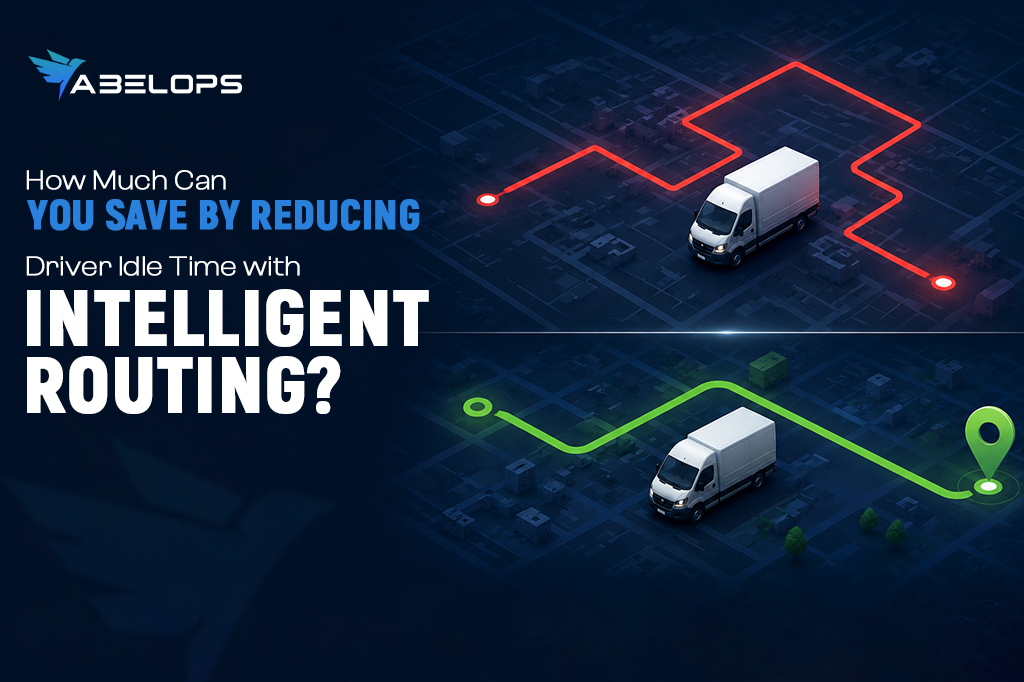
This is what you would see when you log in to your dispatch management software on a Monday morning. The first reaction that comes to mind for most fleet operators is that there aren’t enough drivers. This may not always be the case.If drivers are wasting hours by waiting between rides, driving empty miles, or receiving inefficient route assignments, your fleet is losing money every minute of the day. This is where intelligent routing makes all the difference. The modern dispatching system, like AbelDispatch, takes into account many factors, such as demand, availability of drivers, traffic flow, and ride history, in order to minimize idle time and increase the number of completed rides. Now let’s see how much money this can bring to your fleet.
How Driver Idle Time is Costing You More Than You Imagine?
Each moment that a driver spends idle means:
- Revenue lost
- Fewer completed rides
- More operating costs per ride
- Less earning for drivers
- Higher risks of rider cancellations
Most companies tend to understate the problem because idle time can be difficult to track. The driver may look “available,” but if he is idling 20-30% of his working day, your company is losing out a lot financially. The important question to ask yourself is not,
“How many drivers do I have?”
But rather,
“How am I utilizing them?”
How does AI-Powered Routing Maximize Fleet Utilization?
AI-powered routing system keeps an eye on:
- Present demand
- Drivers’ whereabouts
- Traffic conditions
- Previous ride patterns
- Areas with forecasted demand
It is so because the system does not respond to present demand but forecasts future demand.
The Outcome
- Reduced downtime
- Reduced pickup time
- Completed trips
- Vehicle utilization
It normally leads to a greater number of completed trips without having to employ extra drivers.
Why Efficiency Matters More as Your Fleet Grows?
- 10-Vehicle Fleet
A 10-vehicle fleet will see a considerable increase in daily trips when efficient routes are implemented and vehicle idle time is minimized. This is easily observable at an operational level and will help the business owner get the best use out of their resources without increasing their fleet size.
- 30-Vehicle Fleet
When talking about a 30-vehicle fleet, the efficiency of the route and reduction in idling time become even more significant. With a larger fleet, any improvement in individual drivers’ efficiency adds up and brings about greater results in terms of increased bookings and earnings.
- 100-Vehicle Fleet
With a fleet of 100 vehicles, the implications of optimization become both economically and operationally significant. Any minor improvements in reducing idle time or better trip assignment can lead to a considerable rise in the number of successful trips.
The True Revenue Impact of Missing 120 Rides Every Week
Now let’s get back to the dashboard notification:
“You missed 120 rides last week because of a lack of drivers.”
Clearly, an intuitive response would be to hire more drivers. But now let us compute the loss incurred by you in dollars:
120 missed rides × $15 average fare
= $1,800 loss per week
Monthly Loss:
$1,800 × 4.3
= $7,740 per month
Yearly Loss:
$7,740 × 12
= $92,880 per year
But think about this:
Would it be possible that those rides would not have been lost due to a lack of drivers?
What if the rides were lost due to idle drivers working in the wrong places?
This is the type of inefficiency AI Routing can help identify.
Additional Ways Intelligent Routing Improves Profitability
The savings don’t end there, though. Intelligent routing can also be used to help cut down on:
- Reduced Costs of Fuel
No unnecessary trips will lead to reduced fuel consumption and cost.
- Better Driver Retention
Drivers appreciate being busy and making money.
Utilization tends to lead to better pay and driver retention.
- Faster Passenger Pickup
Quick dispatch leads to a better customer experience and motivates customers to book again.
- Less Work for Dispatchers
Automatic optimization minimizes the need for manual effort and enables dispatchers to work only on exceptions.
Turning Fleet Data Into Actionable Business Insights
But the most crucial thing about the dispatching process today isn’t just routing.
It’s visibility. Rather than guessing where the dollars are being spent, management gets intelligence such as:
- Missed ride requests due to no drivers
- Hot spots, but few drivers available
- Driver utilization
- Peak demand opportunities
- Revenue losses from late assignments
Such intelligence helps managers to make good decisions on a daily basis.
Is Your Fleet Missing Out on Hidden Revenue?
If your drivers are spending too much time waiting in between trips, chances are you are losing money unknowingly. Even just one additional trip per driver per day will bring:
- $46,800 annually with 10 vehicles
- $140,400 annually with 30 vehicles
- $468,000 annually with 100 vehicles
This doesn’t even include the benefits of reduced fuel costs, increased driver retention, and improved customer satisfaction. There is a quick way to boost your revenues other than buying additional vehicles or recruiting more drivers. Sometimes the solution may be using your existing fleet efficiently.
See Your Fleet’s Hidden Revenue Opportunities
As part of the Dispatch Scale solution, you can gain valuable AI-driven insight, such as:
“Your fleet lost 120 rides last week because of a lack of drivers.”
In addition to smart routing advice to maximize efficiency and improve utilization. Curious about what savings your fleet can achieve? Get a Dispatch Scale demo and learn about your fleet’s utilization potential.
Frequently Asked Questions
By using AI to assign drivers near the demand and allowing them to drive more and wait less.
Even one additional ride per driver per day will significantly boost your revenue. And if you run a 30-car fleet, the additional annual earnings may be over $140,000.
No, sometimes better routing and efficient dispatching allow getting more rides from the current drivers in the fleet.
Typical causes are ineffective driver deployment, suboptimal dispatching, traffic jams, and a lack of visibility on demand patterns.
This plan shows you the missed ride opportunities, driver utilization, demand clusters, and revenue gaps.